
Client Spotlight: Mercer Ranches
A Five-Generation Legacy of Pioneering Conservation
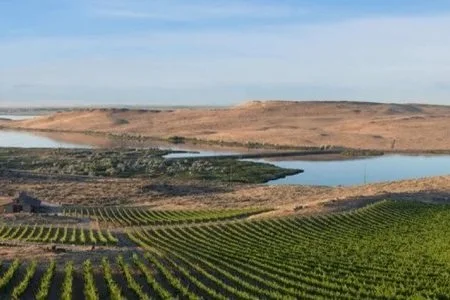
The land of Mercer Ranches, situated along the Columbia River in the Horse Heaven Hills of Washington State, has been sustainably tended by the same family since 1886. Originally a livestock operation, the 12,000-acre property now grows a diverse mix of row crops, wine grapes, and tree nuts, using regenerative practices and thoughtful technology that uphold the Mercer motto of “farming for the next 1,000 years.”
A pioneering spirit and a deep dedication to responsible stewardship have been Mercer family hallmarks from the start. Willis Mercer came west in the late 19th century to build a life herding sheep in the high desert plateau of eastern Washington. Over the next 70 years, the family expanded into cattle grazing and wheat cultivation, carefully nurturing the land to ensure its health for future generations.
In the late 1960s, Willis’s great-grandsons Don and Bud Mercer recognized the land’s untapped potential to grow produce. They embarked on a project to bring irrigation to the Horse Heaven Hills and were soon harvesting sugar beets, mint, and potatoes. Their insight and hard work transformed the ranch into a thriving row crop farm that today supplies over 365 million pounds of vegetables to communities across the US and the globe.
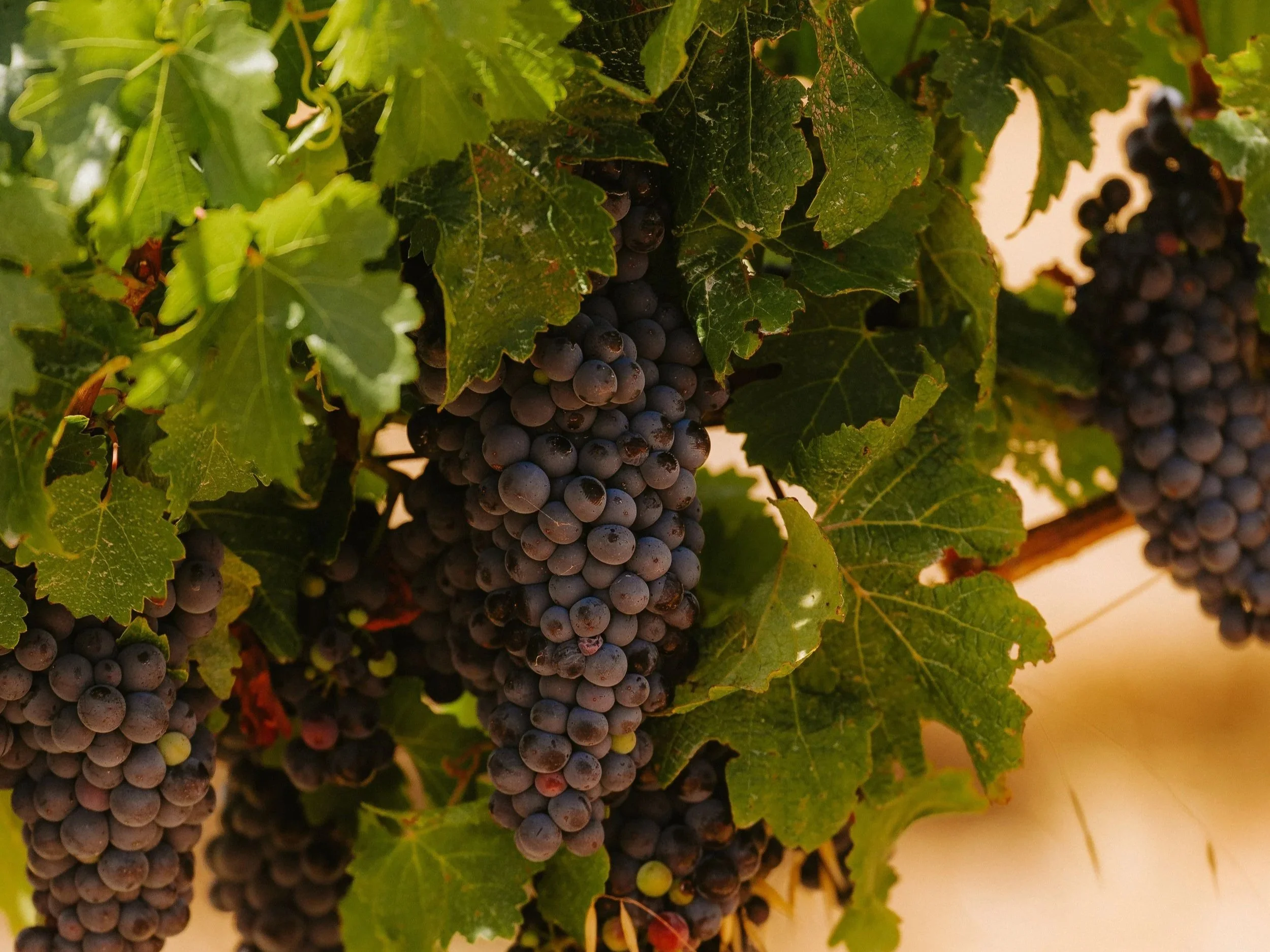
Then in 1972, encouraged by the “father of Washington wine,” Dr. Walter Clore, Don Mercer established the first vineyard in the Horse Heaven Hills, devoting a small plot of land to growing cabernet sauvignon grapes. His experiment proved prescient; Horse Heaven Hills is now a renowned wine-growing region, home to over a quarter of Washington’s vineyards and more than 30 grape varietals. Today, Mercer cultivates nearly 2,000 acres of vines and bottles Mercer Wine Estates wines from some of the area’s most prized vineyards.
An abiding commitment to land health and ecosystem harmony spans Mercer Ranches’ five-generation history and informs every decision made on the farm and in the winery today. “We consider ourselves agriculturalists,” Rob Mercer says. “More than viticulturists or farmers, we are stewards of our land, caring for and enhancing its environmental and social value. Every decision we make, every day of the year, incorporates balance.”
A Food Alliance Certified partner since 2004, Mercer Ranches exemplifies Food Alliance’s whole-systems approach to sustainability, taking into account not only the resilience of the ecosystems in their fields and vineyards but also that of the business and social ecosystems that support and are supported by the land. They employ a mix of state-of-the-art technology and tried-and-true conservation practices that together optimize health and productivity across their operation. Sustainability efforts fall into five focus areas:
Water management: The farm protects its Columbia River water source by using carefully monitored pivot and drip irrigation systems that optimize efficient usage and prevent runoff. Cover crops are used to improve soil heath and water infiltration, and the wineries employ strict waste-water mitigation standards.
Soil & fertility management: Years of research and ongoing mapping of the nutrient and mineral characteristics of the farm’s soil types allow the operation to ensure nutrient availability for plant health. Cover crops reduce weeds and support the soil microbiome while minimizing the chance of nutrient waste and leaching. Soil compaction in the vegetable operation is mitigated by minimum tillage practices and track-equipped tractors. In the vineyard, the mid-rows are not tilled, and all-terrain vehicles are now used in place of tractors.
Integrated pest management: The farm’s whole-systems approach uses indirect and direct pest management techniques to optimize natural processes. Weekly monitoring of pests and natural enemies, timely water applications, beneficial predator habitat development and conservation, mating disruption, weed suppression, and use of cover crops minimize the need for pesticide use. Recent technology additions to their farming practices include a laser weeder and two types of vision assisted “smart sprayers.”
Waste management: In the vineyards and winery, heavy-polluting oil heaters have been replaced with 100% propane machines; grape pomace is applied to the land for dust control, under-vine weed control, and pH enhancement; and both grape pomace and wine lees are added to cattle feed. Everything from engine oil to wire, cardboard, drip tape and glass is recycled across the business.
Research & knowledge acquisition: The farm partners with Washington State University (WSU) Entomology, Virology, and Viticulture Departments to conduct research involving the most up-to-date industry concerns and practices The vineyard side of the business helped develop the Integrated Environmental Stewardship (IES) program, which measures the impact of vineyard operations such as trunk suckering, fertilizer application, irrigation practices, water quality, cover crops, insect and disease control, herbicide use, tillage, and leaf removal. The vegetable side of the business is actively involved in the Columbia Basin Onion Research Committee and the Pacific Northwest Vegetable Association.
Community service: The company maintains a strong commitment to supporting both its local community and the surrounding region. On the farm, they provide a community park for local families featuring playground equipment, a soccer field, volleyball courts, and a pickleball court. Their broader community outreach efforts include ongoing donations to the local Boys & Girls Club, scholarship opportunities for employees’ children, and annual Christmas basket donations to families in neighboring communities.
Mercer Ranches’ conservation efforts include native habitat improvement and plant protection. Over 2,500 of the farm’s acres are set aside for native vegetation and wildlife, and 15 areas throughout the farm are actively managed habitat. In addition to these areas, the farm has planted over 12,000 trees and shrubs to protect fragile soils from erosion and to enhance wildlife habitat. The managed habitat includes approximately seven miles of natural waterways and ponds that benefit fish, waterfowl, and many mammal species.
Working with the Benton County Conservation District over the last few years, Mercer Ranches has planted over a 1,000 trees and shrubs in the water system to encourage a healthier environment for all species, including beaver, which help to slow water and improve creek bank diversity. The farm adds to this diversity by operating an aviary nursery program that raises and releases pheasants and chukars.
“Mercer Ranches has advocated for a whole-systems, long-term approach to sustainability for 140 years. Their commitment to protecting and respecting the land and the business built upon it for future generations has made them a recognized pioneer in their state and industry,” says Shaila Cook, Executive Director of Food Alliance. “They’ve been an exemplary Food Alliance partner for over two decades, dedicated to upholding certification standards and paving an innovative path for other growers and producers to follow.”
The Mercer family’s ecological leadership has received attention both locally and nationally, including an Environmental Stewardship Award from the National Potato Council and EPA, a Wildlife Habitat Farmer of the Year Award, and an Association of Washington Business Environmental Excellence award for Mercer Wine Estates, the first winery to ever win the award. In 2026, Mercer’s southernmost vineyard, named “Spice Cabinet Vineyard,” became one of the few vineyards in Washington State to earn the Bee Better certification from the Xerces Society. The certification demonstrates a commitment to protection and environmental improvement for bee’s, butterflies, and other pollinators.
To learn more about and support Mercer Ranches, visit www.mercerranches.com. To learn about and experience Mercer’s wines, go to www.mercerwine.com or visit with them in person at their Prosser tasting room, Walla Walla tasting room, or Woodinville tasting room in Washington State.