
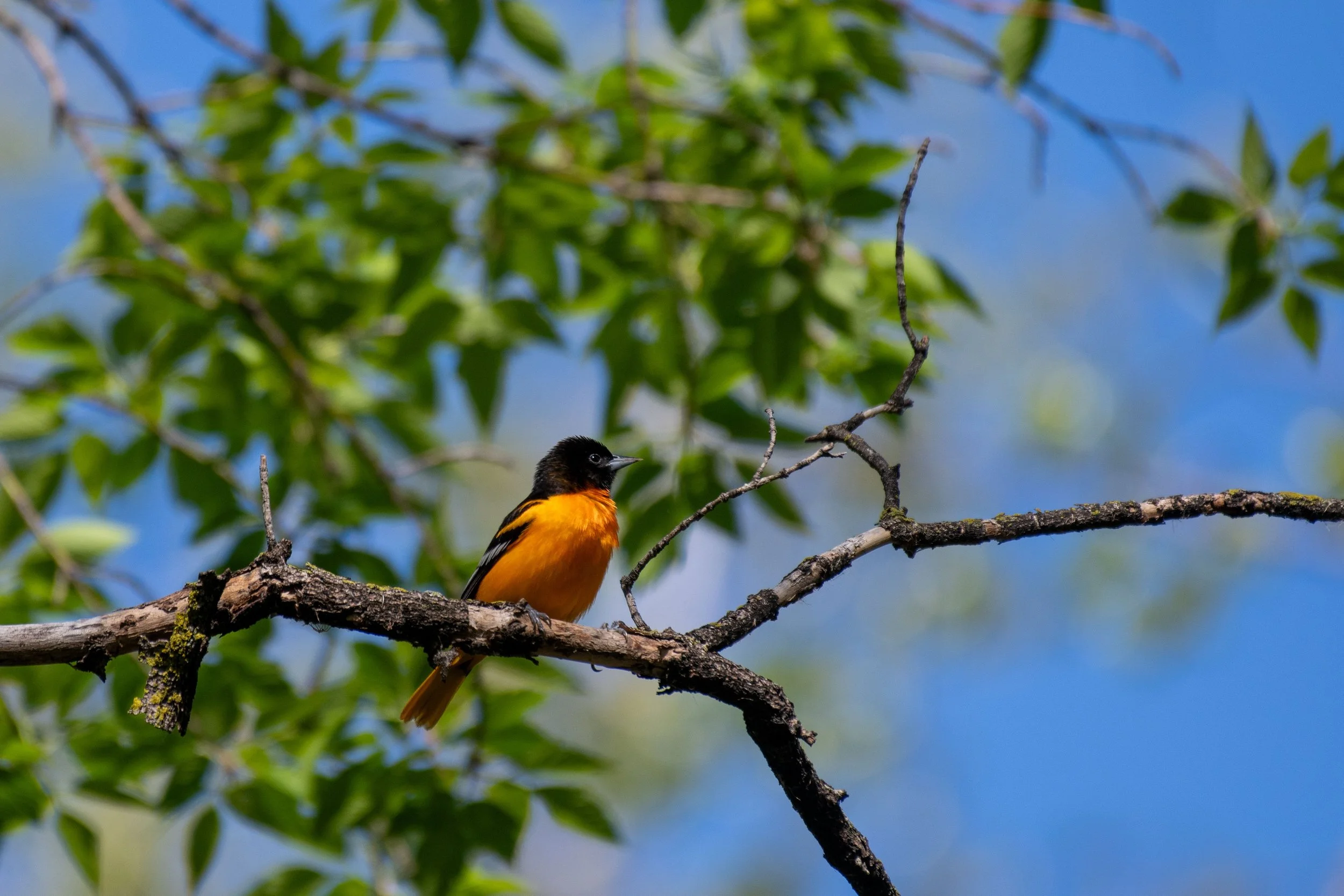
Each fall, orioles migrate south in search of warmer habitats, relying on insects, fruit, nectar, and safe places to rest along the way.
Each fall, a remarkable movement unfolds above America’s farms and ranches. Billions of birds travel south, most of them under the cover of darkness, following migration routes that may stretch for thousands of miles. Their success depends not only on their final destination but also on what they find along the way: places to rest, shelter from predators, and enough food to fuel the next leg of the journey.
Working lands can play an important role in that journey. When farms are managed with soil health, biodiversity, and natural cycles in mind, they can produce food while also providing valuable habitat for birds, bees, butterflies, and other wildlife.
A Farm Is More Than Its Crop
Regenerative agriculture is not a single practice or checklist. It is an approach to farming that seeks to improve the health and resilience of the whole agricultural system. Depending on the operation and region, that may include planting cover crops, reducing soil disturbance, rotating crops or livestock, maintaining living roots, using integrated pest management, and conserving hedgerows, grasslands, wetlands, or wooded areas. It can also mean building and maintaining pollinator habitat throughout the farm, from flowering field borders and native plantings to nesting areas and season-long sources of nectar and pollen.
Did you know that Food Alliance offers a Regenerative seal? Food Alliance is committed to helping its certified clients communicate their regenerative agricultural practices. The Food Alliance Regenerative seal is now available exclusively to Food Alliance Certified clients.
These practices are often discussed in terms of soil, and for good reason. They can help reduce erosion, build organic matter, improve water infiltration, and support the organisms beneath our feet. By slowing runoff and keeping soil and nutrients in place, they can also help protect the streams, rivers, and groundwater connected to agricultural lands. But their benefits do not stop at the soil surface. More diverse plant life creates more opportunities for wildlife to find food, shelter, nesting sites, and safe passage through agricultural landscapes.
Fuel for Fall Migration
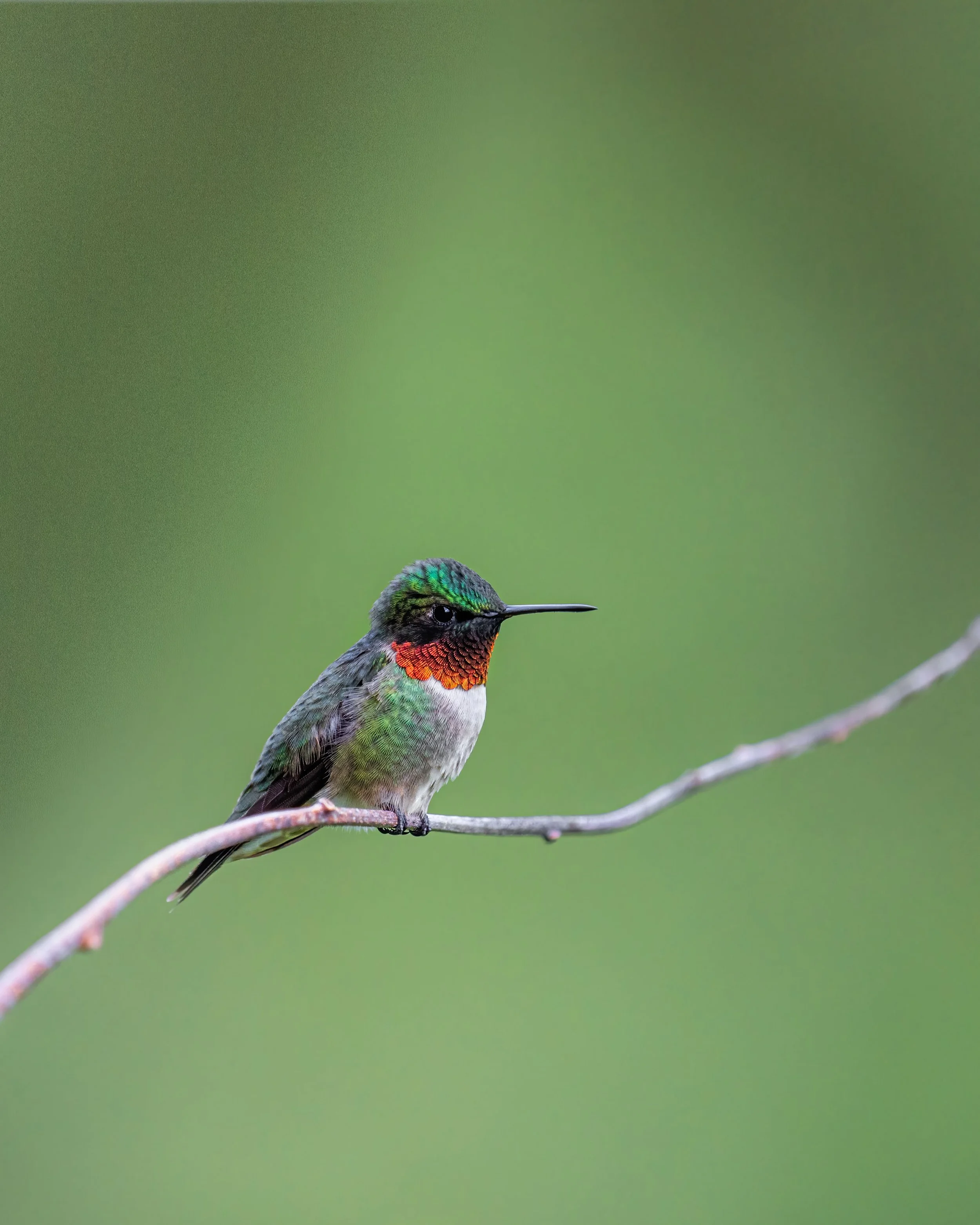
Ruby-throated Hummingbirds make long journeys to Mexico or Central America.
Fall migration is an energy-intensive journey. Across much of the contiguous United States, migration activity is especially high from early September through October. Birds may stop in an area for only a few hours or several days, replenishing the fat reserves that power their flight.
Different birds need different foods. Insect-eating species forage for beetles, caterpillars, flies, and other invertebrates. Others rely on seeds, fruits, or berries. Farms with varied vegetation (including cover crops, native field borders, hedgerows, trees, and patches of uncultivated habitat) can offer a wider and more dependable menu than simplified landscapes.
Leaving some crop residue or seed heads in place can provide food and cover. Protecting riparian areas and windbreaks can create sheltered resting places. Reducing unnecessary pesticide use can help preserve the insects that many migrating birds depend on. Together, these choices can turn working lands into a network of stopover habitat at a time when birds need it most.
This matters because North American bird populations are under significant pressure. Research published in Science estimated that the continent lost nearly 3 billion birds between 1970 and 2017, with grassland birds experiencing especially steep declines. Farms and ranches cannot replace intact natural ecosystems, but well-managed agricultural land can be an important part of a connected, more hospitable landscape.
Our partnership with Audubon Conservation Ranching is one example of how this work is being put into practice. Audubon works with ranchers to develop habitat management plans that support grassland birds and biodiversity, while Food Alliance conducts independent third-party audits to verify that participating ranches meet the program’s standards for habitat management, environmental sustainability, and animal welfare. Together, on-the-ground conservation and credible verification help ensure that Audubon Certified Bird-Friendly lands deliver meaningful benefits for birds, ranchers, and the broader landscape.
Beyond the Honey Bee
Healthy farms also depend on a much broader community of pollinators than many people realize. Honey bees are important agricultural partners, but native bees, butterflies, moths, beetles, flies, hummingbirds, and, in some regions, bats also move pollen among flowers.
Diversified farms can support these species by providing blooms across more of the growing season. Flowering cover crops, native hedgerows, and well-managed field margins offer nectar and pollen when the primary crop is not in bloom. A recent multi-year study on commercial perennial farms found that diverse cover crops were associated with substantially greater pollinator abundance and species richness than conventionally managed bare soil between crop rows. These habitats can also support beneficial insects that prey on crop pests, adding another layer of resilience to the farm.
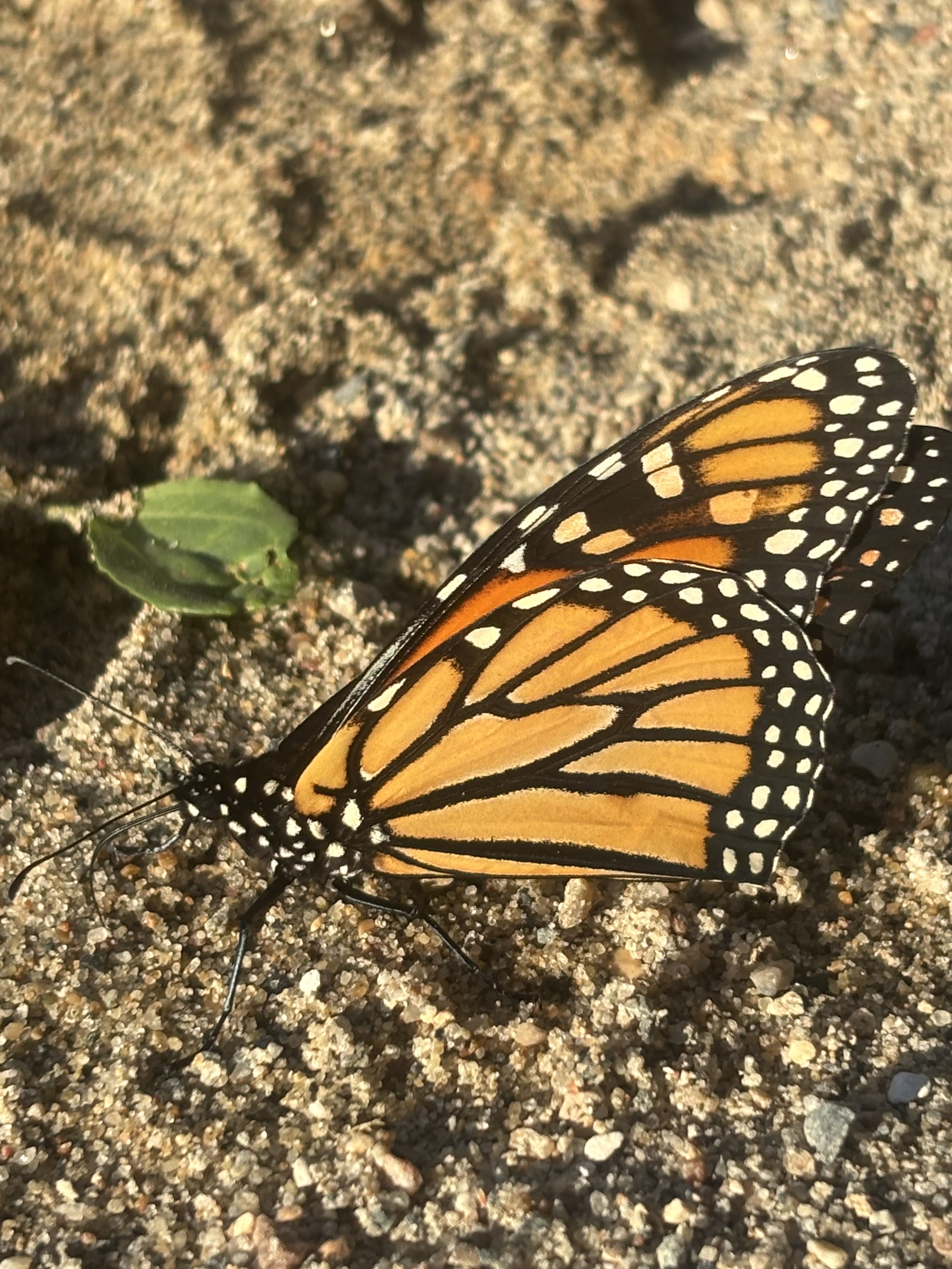
Each fall, monarch butterflies travel thousands of miles to their overwintering grounds, relying on nectar-rich flowers along the way to fuel their remarkable journey.
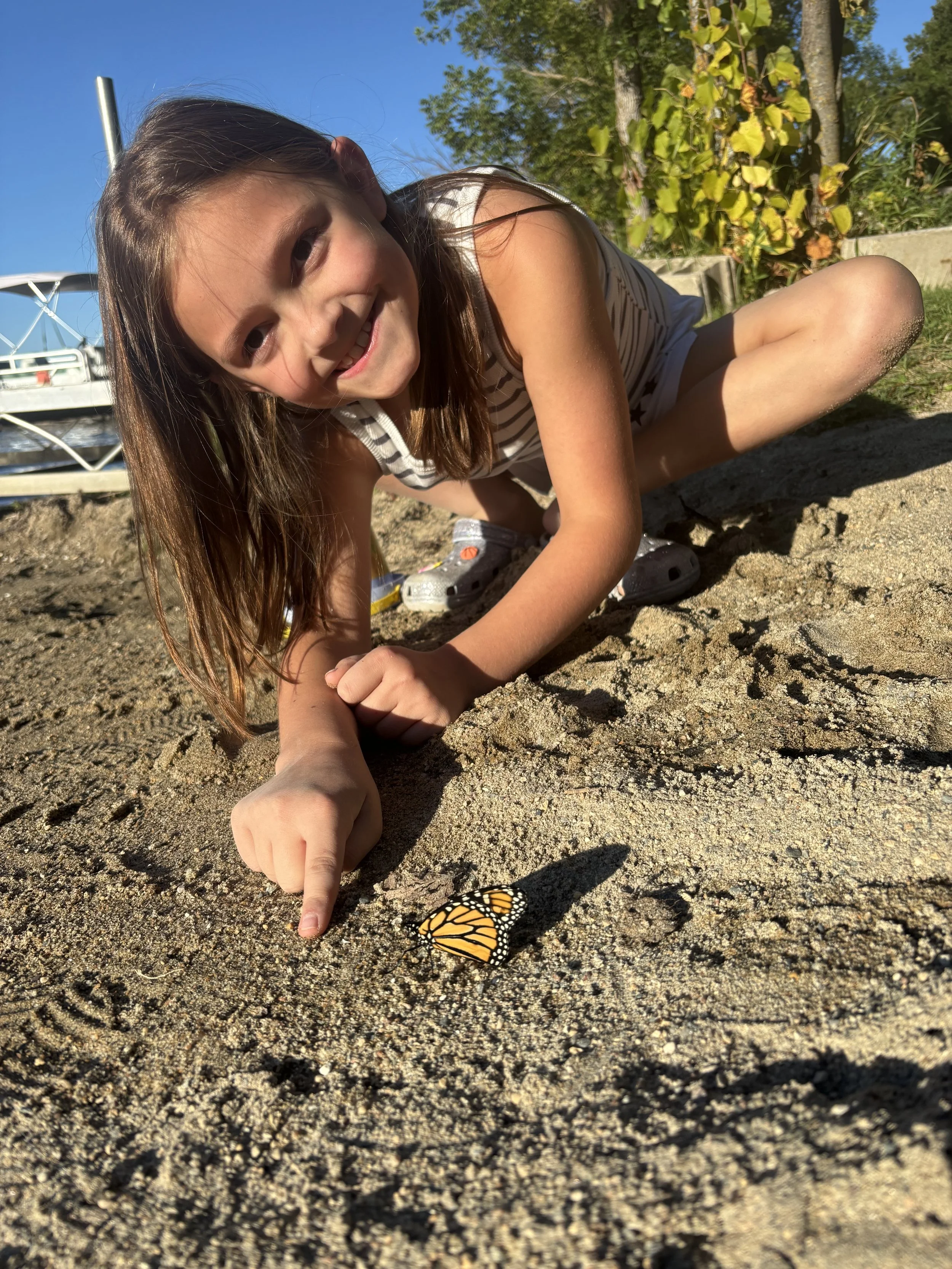
Nine-year-old Sarina Cook meets her first monarch butterfly at Marion Lake in Dent, Minnesota.
Fall brings different needs for different pollinators. Monarch butterflies migrate south, relying on late-blooming flowers for nectar along the way. Some hummingbirds, pollinators in their own right, are also making long seasonal journeys. Most native bees, however, do not migrate. They remain close to home, often spending winter underground, in hollow stems, in cavities, or beneath leaf litter. Thoughtful fall management therefore means providing both fuel for travelers and shelter for the species that stay behind. That can look like allowing selected stems and plant material to remain through winter, preserving undisturbed ground and woody nesting areas, and maintaining a sequence of flowering plants from spring through fall. Because many native bees nest in the soil, a habitat plan should include not only living cover but also small, appropriately placed areas of bare, undisturbed ground.
Biodiversity That Works for the Farm
Birds and pollinators are not simply visitors to agricultural landscapes. They are participants in them. Pollinators help many crops and wild plants reproduce. Birds and predatory insects can help keep some pest populations in check. Diverse field edges and perennial vegetation can reduce erosion, slow runoff, protect waterways, and create corridors that connect larger habitat areas.
These relationships reflect a central idea of regenerative agriculture: a farm is strongest when its parts support one another. The goal is not to remove agriculture from the landscape, but to manage working lands in ways that recognize their ecological context and build long-term resilience.
Food Alliance certification provides independent, third-party verification of many of the practices that make this possible. Its whole-farm approach asks producers to conserve soil and water, protect biodiversity and wildlife habitat, and manage pests responsibly while maintaining a productive agricultural operation. Certification helps turn broad sustainability commitments into practices that can be evaluated, documented, and continually improved.
As birds move across the autumn sky and pollinators prepare for the season ahead, they remind us that farms are connected to a much larger living system. By providing a connected network of places where migrating birds can rest, find shelter, and replenish their energy, working lands play a critical role in supporting these seasonal journeys. By caring for the soil, maintaining diverse habitat, and reducing avoidable risks to wildlife, farmers and ranchers can help make these systems healthier— one field, hedgerow, pasture, and migration stop at a time.